
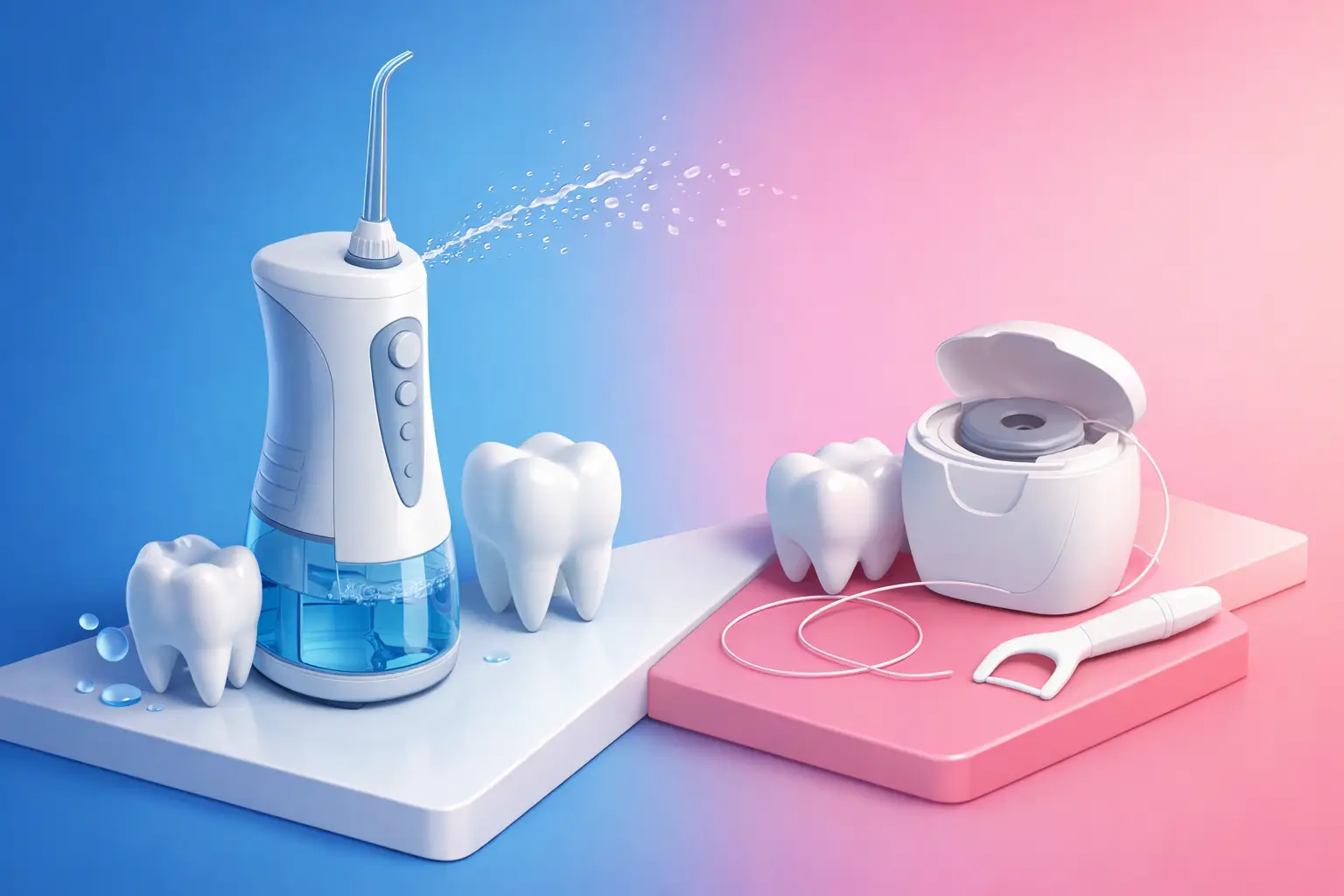
Most people do not skip flossing because they do not care about their teeth. They skip it because string floss can feel awkward, messy, and easy to put off. That is exactly why the water flosser vs floss question matters – the best option is often the one you will actually use every day.
If you are shopping for oral care tools, the choice usually comes down to two things: cleaning performance and convenience. A traditional floss pick or roll of floss is cheap and familiar. A water flosser feels more modern, often more comfortable, and can make daily cleaning easier for people who hate threading floss between tight teeth. But better for one person does not always mean better for everyone.
Water flosser vs floss: the basic difference
Traditional floss uses a thin strand to physically scrape plaque and debris from between teeth and under the gumline. That scraping action is the main reason dentists have recommended it for years. It is simple, portable, and low cost.
A water flosser uses a targeted stream of water to flush out food particles and help clean along the gumline. Depending on the model, it may offer multiple pressure settings, different tips, and a countertop or cordless design. Many shoppers like it because it feels faster and less irritating than string floss.
The real comparison is not old versus new. It is manual precision versus easier daily use.
Which cleans better?
When people compare water flosser vs floss, they usually want one clear winner. The honest answer is that each has strengths.
String floss is excellent at physically removing sticky plaque from tight spaces. If your teeth are close together and you can floss properly, traditional floss gives very direct contact with the tooth surface. That matters because plaque is not just loose debris. It sticks.
A water flosser does a strong job of rinsing out trapped food, reducing gum irritation, and reaching around braces, implants, bridges, and other dental work. For many users, it also leads to more consistent cleaning because it is easier to stick with. A tool that gets used nightly often beats a tool that stays in the drawer.
So if you want the short version, traditional floss may have the edge for scraping plaque off the sides of teeth, while a water flosser often wins on comfort, ease, and gumline cleaning for hard-to-manage mouths.
Who should choose traditional floss?
Traditional floss still makes sense for a lot of people, especially if budget matters. It is one of the most affordable oral care products you can buy, and it takes almost no storage space. You can keep it in a bathroom drawer, travel bag, work desk, or car without thinking twice.
It is also a strong fit if you have tight contacts between teeth and good technique. When used correctly, floss reaches where a toothbrush cannot and helps remove buildup before it turns into a bigger problem.
The downside is simple: many people do not use it correctly, or do not use it regularly. Wrapping floss around fingers, guiding it gently below the gums, and repeating that process tooth by tooth takes patience. If your routine already feels rushed, string floss can become the first step you skip.
Who should choose a water flosser?
A water flosser is often the better choice for shoppers who want something easier and more comfortable. If your gums bleed easily, your hands lack dexterity, or you wear braces, a water flosser can feel much less frustrating than forcing string floss into every gap.
It is especially useful for people with crowns, bridges, implants, and orthodontic work. Those situations create extra corners where food gets trapped and regular floss can be harder to maneuver. A pressurized stream of water can help clean areas that are annoying to reach with string.
There is also the motivation factor. A lot of people simply prefer gadgets that make routines feel quicker. If a cordless water flosser helps you stay consistent, that convenience has real value.
The main trade-off is cost. A water flosser is a bigger upfront purchase than floss picks or dental tape, and some models take up counter space. You also need to refill the reservoir, charge it or plug it in, and clean the device itself.
Comfort, convenience, and everyday use
This is where the decision often gets made.
String floss is cheap, travel-friendly, and easy to replace. If you want the lowest-cost option and do not mind the technique, it is still hard to beat. There are also waxed flosses, unwaxed versions, dental tape, and disposable floss picks, so you can choose what feels easiest.
A water flosser is more comfortable for many users, especially beginners. The water pressure can feel gentler than snapping floss between teeth, and many devices let you start on a low setting. That makes it appealing if you have sensitive gums or have avoided flossing because it feels unpleasant.
For shared households, convenience can go either way. A single roll of floss is simple. A water flosser with multiple tips can also work well for families, but it adds another device to the bathroom setup.
Cost matters more than people admit
A lot of oral care advice ignores price, but shoppers do not. If you are trying to improve your routine without overspending, the cost difference between these options matters.
Traditional floss wins easily on price. Even if you buy floss picks regularly, the expense is low compared with an electric water flosser. That makes floss the easier starting point if you want a basic, effective habit.
A water flosser costs more upfront, but for some buyers the value is still there. If it helps you floss more often, avoid wasting disposable picks, or makes braces care less of a hassle, the higher price can feel justified. For deal-focused shoppers, the smart move is not asking which category sounds better. It is asking which one fits your mouth, routine, and budget well enough to use long term.
Water flosser vs floss for braces and sensitive gums
This is one of the clearest cases where a water flosser often stands out.
With braces, threading string floss around wires can feel like a nightly chore. It is possible, but it takes time and effort. A water flosser can speed things up and help flush out food from brackets and gumlines more easily.
For sensitive gums, comfort matters because painful routines do not last. A water flosser on a gentle setting may feel less harsh, especially for users who have not flossed regularly in a while. That said, if your gums bleed often, that can also be a sign that you need better cleaning, not less of it. Consistency matters more than choosing the trendier tool.
Do you need both?
For some people, yes.
If you want the most thorough home routine, using both can make sense. Traditional floss can scrape plaque from tooth surfaces, while a water flosser can rinse away debris and clean around gumlines and dental work. That combination is appealing if you are focused on a cleaner feel or have more complicated oral care needs.
But many shoppers do not want a complicated routine. If choosing both means doing neither consistently, keep it simple. Pick the one you are most likely to use every day and build from there.
How to choose the right option for your routine
If you want the lowest-cost, most portable option, start with traditional floss. If you want something easier on sensitive gums, more helpful around braces, or more motivating for daily use, a water flosser may be the better buy.
It also helps to think about your bathroom setup and lifestyle. Travelers may prefer floss picks. People who like home devices and quick rinse-based routines may prefer a cordless or countertop flosser. Shoppers looking for affordable self-care tools often do best when they compare comfort, ease, and replacement cost instead of chasing whatever sounds most advanced.
At Health Beauty Care, that practical mindset matters. A good oral care tool is not the one with the most hype. It is the one that fits your daily habits, your budget, and your goal of keeping your routine simple enough to maintain.
If you are stuck between the two, choose the option that removes the most friction from your day. Better gums and cleaner teeth usually start with a tool you will actually reach for tonight.