
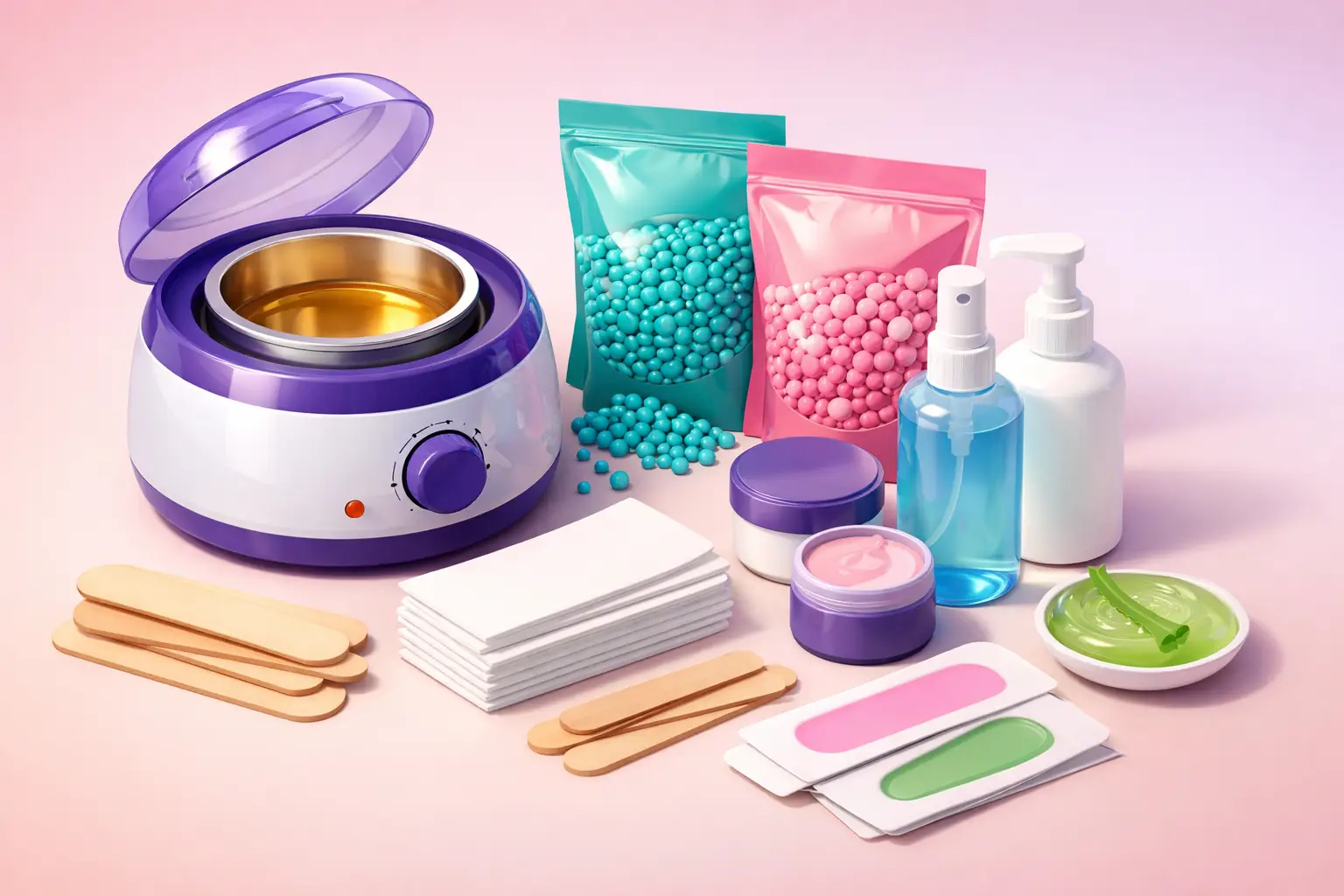
That first pull can make or break your opinion of waxing at home. If your wax is too hot, your strips are wrong, or you skip prep, the whole process feels messy fast. A good home waxing starter kit changes that. It gives you the basics you actually need, helps you avoid common mistakes, and makes at-home hair removal more affordable over time.
For most shoppers, the goal is simple – smoother skin without salon pricing. That is exactly why a starter kit matters. Buying random waxing items one by one can cost more, and it often leaves you with mismatched tools that do not work well together. A kit keeps things simple, especially if you are new to waxing or just want a more convenient routine at home.
What should be in a home waxing starter kit?
A practical home waxing starter kit usually starts with the wax itself. Soft wax is a common choice for larger areas like legs and arms because it spreads thin and removes with strips. Hard wax is often preferred for smaller or more sensitive areas because it hardens on the skin and lifts off without a strip. Neither is automatically better for everyone. It depends on your skin sensitivity, hair thickness, and the body area you want to treat.
You will also want applicators, waxing strips if you are using soft wax, and a wax warmer if the formula requires heating. Some kits include pre-wax cleanser, post-wax oil, or soothing gel, and those extras are not just filler. Prep and aftercare can make a noticeable difference in comfort and results.
Tweezers are useful for cleanup, especially if a few hairs are left behind. Disposable gloves can help keep things tidy. A small pair of trimming scissors is helpful too, since hair that is too long can make waxing more painful and less effective. If you are shopping for value, a bundle that covers the core process from prep to aftercare usually makes more sense than buying only the wax and trying to improvise the rest.
Picking the right wax for your skin and routine
The wax type is where most beginners get stuck. If you want a cleaner, more controlled option for facial hair, underarms, or bikini line, hard wax is usually easier to manage. It grips the hair without requiring a strip and can be a better fit for coarse hair. It can still be uncomfortable, but many people find it less irritating on smaller areas.
Soft wax tends to be better when speed matters. Legs, arms, chest, and back are common targets because you can cover more skin quickly. The trade-off is that soft wax can cling more to the skin, which may not be ideal if you are prone to redness or you are still learning pressure and technique.
Roll-on wax systems are another option worth considering in a home waxing starter kit. They are popular with people who want less mess and more even application. They are especially handy for legs, but not always as versatile for detailed areas. If convenience is your top priority, a roll-on setup can be a smart buy.
The tools that make waxing easier
A lot of frustration comes from using the wrong accessories, not just the wrong wax. A reliable wax warmer helps you keep the texture consistent. Wax that is overheated becomes runny and harder to control. Wax that is not warm enough goes on thick and uneven. A warmer with adjustable temperature is usually worth it if you plan to wax regularly.
Applicator sticks should match the area you are working on. Wider sticks help with legs and arms. Smaller ones give you better control around brows, upper lip, or bikini edges. If your kit only includes one size, it may still work, but it will not feel as convenient.
Pre-wax powder or cleanser can also help more than people expect. Clean, dry skin gives the wax a better grip on the hair. On the other side of the process, post-wax oil or lotion helps remove residue and calm the skin. If your skin gets irritated easily, those extras can be worth paying attention to instead of treating them like optional add-ons.
How to use a home waxing starter kit without making it harder
The easiest way to get better results is to slow down on your first try. Start with a small area, not a full leg or a sensitive zone. Hair should usually be around one-quarter inch long. If it is too short, the wax may not catch it well. If it is too long, trimming first can make removal more manageable.
Clean the skin and make sure it is fully dry. Apply the wax in the direction of hair growth. If you are using soft wax, place the strip firmly over it and smooth it down. Hold the skin taut before removing. Then pull quickly against the direction of hair growth, keeping the strip close to the skin rather than yanking upward.
That last part matters. Pulling up instead of back can make the process more painful and less effective. Afterward, avoid heavy lotions with fragrance, hot showers, and tight clothing on freshly waxed areas for at least a short period. Skin is more sensitive right after waxing, and small habits can affect how it feels later.
Common mistakes first-time buyers should avoid
The first mistake is choosing based only on price and ignoring the contents. A cheap kit is not a bargain if it is missing strips, aftercare, or a dependable heating option. Look at the full setup, not just the discount.
The second mistake is using one wax for every area without thinking about what works best. Legs and brows do not always need the same formula or tools. If you want one kit to do everything, make sure it is truly multi-use and not just marketed that way.
Another common issue is skipping the patch test. Even affordable, well-reviewed products can react differently depending on your skin. Testing a small area first is a simple way to avoid a bigger problem.
Finally, do not expect salon-perfect results on the first attempt. At-home waxing usually gets easier after a few sessions. The right kit lowers the learning curve, but technique still matters.
Is a home waxing starter kit worth it?
For many shoppers, yes. If you remove hair regularly, the cost can work out better than repeat salon visits. It is also more convenient because you can do quick touch-ups on your own schedule. That matters if you are managing busy mornings, travel, or last-minute plans.
The value is even better when the kit includes enough supplies to last beyond one session. Refillable wax options, extra strips, and reusable tools can stretch your budget further. If you are someone who likes having more control over your routine and spending, a starter kit is a practical buy.
That said, it is not the right fit for every person or every area. If your skin is highly reactive, if you use active exfoliants, or if you are nervous about waxing sensitive zones, you may prefer to start with smaller areas first. There is nothing wrong with using waxing at home for some parts of your routine and leaving other areas to different methods.
How to shop smarter for your first kit
The best buy is not always the biggest bundle. It is the one that matches how you actually plan to use it. If you only want to wax legs and arms, prioritize soft wax or roll-on options with plenty of strips. If you are mainly targeting facial hair or underarms, hard wax and precision applicators may be the better choice.
Pay attention to whether the kit is refill-friendly and whether the tools look easy to replace. A good first purchase should not lock you into a complicated system. It should help you get started, keep your routine simple, and save money over time.
At Health Beauty Care, shoppers looking for affordable beauty tools usually want the same thing – useful products, good variety, and a price that makes sense. That is the right mindset when choosing a home waxing starter kit. Focus on function first, then look for the deal.
A smooth waxing routine does not start with fancy extras. It starts with the right basics, a little patience, and a kit that helps you feel ready instead of overwhelmed. Choose one that fits your skin, your budget, and the areas you actually plan to wax, and the process gets a lot easier from there.