
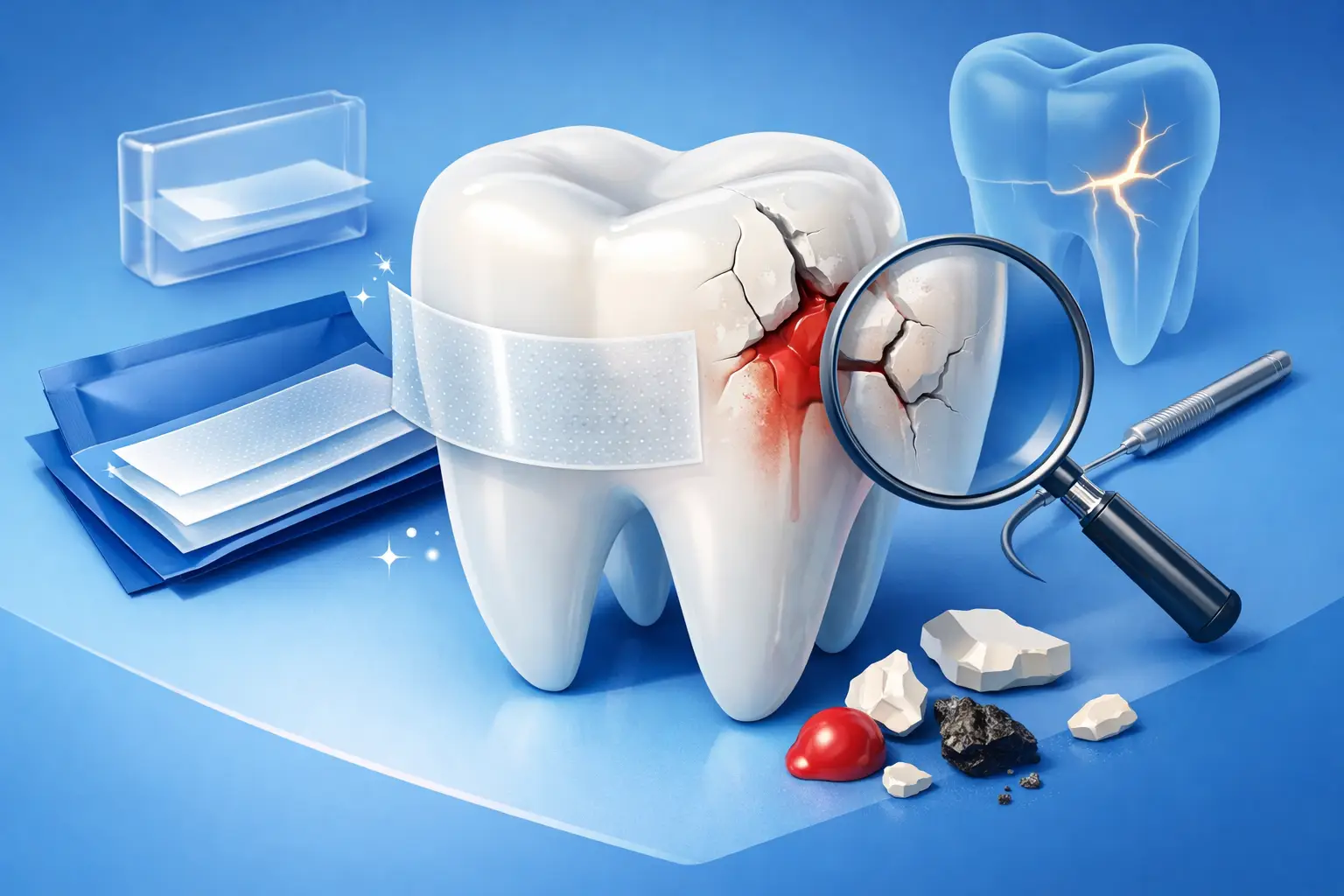
A brighter smile can make a big difference in photos, video calls, and everyday confidence – but the question shoppers ask before buying is simple: can whitening strips damage teeth? The short answer is yes, they can cause problems if you use them too often, use them incorrectly, or use them when your teeth already have issues. Used the right way, though, whitening strips are generally considered safe for most people.
That middle ground matters. Whitening strips are not automatically bad, and they are not risk-free either. If you want visible results without turning a cosmetic upgrade into a dental headache, it helps to know what these strips actually do, who should skip them, and how to use them with a little more caution.
How whitening strips work
Most whitening strips use a peroxide-based gel, usually hydrogen peroxide or carbamide peroxide, to break up stains on the outer layer of the teeth. These stains often come from coffee, tea, wine, smoking, and the normal wear that comes with age. The strip holds the whitening ingredient against the enamel for a set amount of time so it can lighten discoloration.
That process is effective because peroxide can penetrate the enamel and target stain molecules. But enamel is also a protective surface, and anything strong enough to bleach stains can also irritate the mouth if overused. That is where most problems begin.
Can whitening strips damage teeth or just irritate them?
For many people, the first side effect is not real damage – it is temporary sensitivity. Teeth may feel sore, zingy, or extra reactive to cold drinks for a day or two after treatment. Gums can also become irritated if the gel touches soft tissue for too long.
That said, repeated misuse can contribute to bigger concerns. If you leave strips on longer than directed, use them more often than recommended, or keep whitening despite pain, you can wear down comfort and potentially affect enamel health over time. Whitening strips do not usually “eat away” healthy teeth in one use, but aggressive whitening habits are where trouble starts.
In other words, the answer to can whitening strips damage teeth depends on your teeth, the product strength, and how closely you follow directions. For a shopper comparing at-home whitening options, that is the practical reality.
What side effects are most common?
Tooth sensitivity is the most common complaint. This happens because peroxide can temporarily make teeth more responsive to temperature changes. If your teeth are already sensitive, whitening strips can make that worse.
Gum irritation is also common, especially when the strip does not fit well or the gel spreads past the tooth surface. You might notice white patches on the gums right after use. Those spots are usually temporary, but they are a sign that the product touched tissue it was not meant to.
Another issue is uneven whitening. Fillings, crowns, veneers, and bonding do not whiten the same way natural enamel does. That can leave some teeth looking brighter while dental work stays the same shade.
When whitening strips are more likely to cause problems
Some people are better candidates than others. If you have untreated cavities, cracked teeth, worn enamel, gum disease, or exposed roots, whitening strips can be a poor choice until those issues are handled. The bleaching ingredient can reach sensitive areas more easily and cause sharper pain.
It is also worth being careful if you grind your teeth, brush too hard, or use abrasive whitening toothpastes at the same time. Those habits can already stress enamel and gums. Adding strips on top of that may push your mouth past its comfort limit.
Young users should be cautious too. Whitening products are not a casual one-size-fits-all item for teens or anyone with ongoing dental development unless a dentist says it is fine.
Are whitening strips bad for enamel?
This is usually the biggest concern, and it deserves a clear answer. When used as directed, most over-the-counter whitening strips are not considered seriously harmful to enamel in healthy adults. But “safe when used correctly” is not the same as “safe in any amount.”
Problems are more likely when people chase faster results. Using two treatments in a day, extending wear time, mixing strips with whitening pens and strong rinses, or repeating a full treatment cycle too soon can all increase sensitivity and stress the teeth. Even if enamel is not visibly damaged right away, your mouth may tell you it is too much.
Think of whitening like exfoliating skin. A measured routine can help appearance. Overdoing it can leave things irritated and harder to manage.
How to use whitening strips more safely
If you want at-home whitening without unnecessary side effects, product instructions matter more than marketing promises. Stick to the stated wear time and treatment schedule. More is not better here.
It also helps to start with a clean mouth, but not immediately after aggressive brushing. If your gums are freshly irritated, whitening gel may sting more. A gentle brushing routine and a snug strip placement can reduce gum contact.
If sensitivity starts, take a break. Do not keep pushing through sharp discomfort just to finish a box. A slower approach often gives better long-term results than a rushed one.
For shoppers who like convenience and value, this is where smart buying matters. Choosing a clearly labeled product with simple instructions is usually a better move than chasing the strongest option available just because it sounds more powerful.
Signs you should stop using them
Some discomfort can be temporary, but a few warning signs should not be ignored. Stop using whitening strips if you have persistent tooth pain, strong sensitivity that lasts more than a couple of days, gum swelling, bleeding, or visible irritation that keeps returning.
You should also stop if one area of the mouth hurts much more than the rest. That can point to a cavity, crack, or exposed root rather than a normal whitening reaction. In that case, whitening is not the first problem to solve.
Who may want a different whitening option?
Whitening strips are popular because they are affordable, easy to store, and easy to use at home. But they are not perfect for every mouth. If your teeth are crowded, the strips may not sit evenly. If you have a lot of dental work, your results may look patchy. If sensitivity is already part of your daily life, strips may feel more annoying than helpful.
For those shoppers, lower-intensity whitening products or dentist-guided treatment may make more sense. The cheapest option is not always the best value if it leaves you unable to enjoy cold water for two days.
How long should you wait between whitening treatments?
A common mistake is starting another round too soon. If your product says to use it for a certain number of days, finish that course and then give your teeth time before repeating it. The exact timing depends on the formula, but rushing into another full cycle is one of the easiest ways to trigger sensitivity.
Maintenance whitening usually works better than constant whitening. Once you get the shade you want, spacing things out is often enough. That approach is easier on your teeth and your budget.
Can whitening strips damage teeth permanently?
Permanent damage is less common than temporary irritation, especially when the strips are used properly. Still, ongoing misuse can create bigger issues. If someone keeps whitening through pain, ignores underlying dental problems, or combines multiple bleaching products too often, they increase the chance of long-term sensitivity and enamel stress.
That is why the best approach is not fear or overconfidence. It is moderation. Whitening strips can be a useful part of an at-home oral care routine, but they should be treated like an active product, not a casual cosmetic extra.
What smart shoppers should remember
If your teeth are healthy and you follow directions, whitening strips are usually a reasonable at-home option for lifting surface stains. If your mouth is already sensitive or you have untreated dental issues, they can absolutely make things worse.
Before buying, think beyond the promise of a whiter smile. Look at fit, ingredient strength, directions, and how often you realistically plan to use the product. A good whitening result should look better and feel manageable. If it hurts every time, it is not a bargain.
A brighter smile is great, but comfort counts too – and the best results come from choosing products carefully, using them exactly as directed, and knowing when your teeth are asking for a break.