
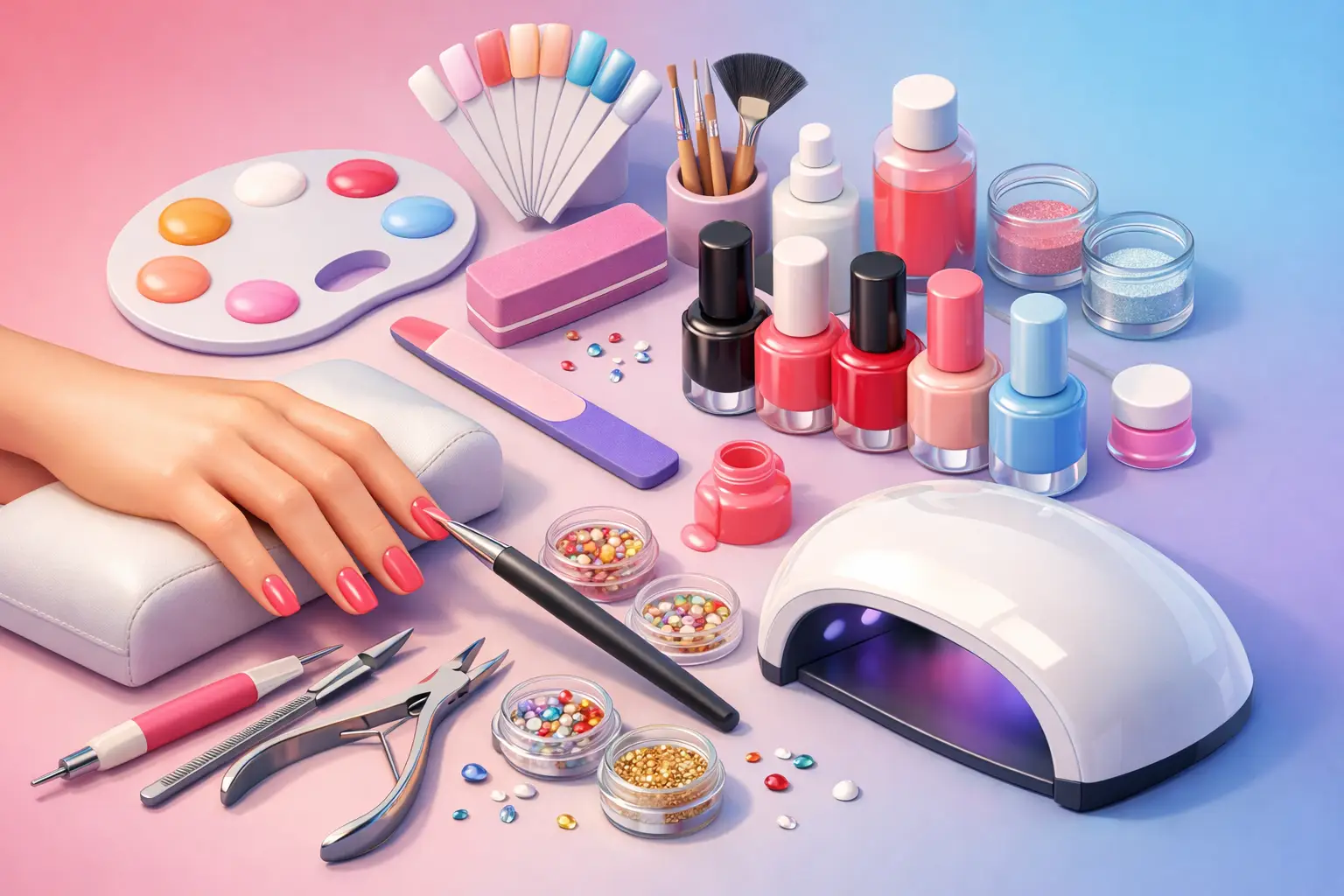
A good manicure can go wrong fast when you are using the wrong tool for the job. If you have ever tried to paint tiny flowers with a worn-out polish brush or clean up edges with a cotton swab that leaves fuzz behind, you already know why a beginner nail art tools guide matters. The good news is you do not need a huge kit or salon-level setup to get neat, fun results at home.
For most beginners, the smartest move is to buy a small group of tools that make basic designs easier and less messy. That means choosing tools that give you control, save time, and work across more than one style. You can always add specialty items later. Starting simple usually gives better results and costs less.
Beginner nail art tools guide: the essentials first
The first tool worth buying is a set of dotting tools. These are inexpensive, easy to use, and surprisingly versatile. You can make polka dots, flower centers, hearts, clouds, and even marble details with them. A double-ended set gives you a range of sizes, which matters because large dots and tiny accents create very different looks.
Next comes a thin detail brush. This is the tool that helps with fine lines, swirls, French tips, and small corrections in your design. For beginners, a short-bristle detail brush is usually easier to control than a very long liner brush. Long brushes can create smooth curves, but they also show every shaky movement if your hand is not steady yet.
A flat clean-up brush is another smart buy, even though it is not as exciting as glitter or decals. Dip it in remover and use it to sharpen the edges around your cuticle and sidewalls. This one tool can make a basic manicure look far more polished. If your nail art itself is simple, clean edges do a lot of the heavy lifting.
You will also want a reliable base coat and top coat. These are not decorative tools, but they affect how your nail art looks and how long it lasts. A good base coat helps smooth the nail surface and reduces staining. A good top coat protects the design, adds shine or a matte finish, and can hide slight texture from layered nail art.
What tools are nice to have, not must-have
Once you have the basics, there are a few extras that make sense if you like experimenting. Nail striping tape is useful for crisp geometric designs and clean color blocking. It is affordable and beginner-friendly, but it takes patience. If the polish underneath is not fully dry, the tape can lift it.
Stamping tools are popular because they can create detailed patterns quickly, but they are not always the easiest starting point. Stamping needs some practice with timing, pressure, and polish consistency. If you love intricate designs but do not want to hand-paint them, stamping can be worth it. If you are still learning basic polish control, it may feel frustrating at first.
Nail art stickers, decals, and rhinestone tools fall into the same category. They are fun, budget-friendly, and can make a manicure look detailed without much skill. The trade-off is that some stickers can wrinkle, and gems may catch on hair or clothing if they are not sealed well with top coat or nail glue.
UV or LED lamps only belong on your list if you plan to use gel polish. If you are sticking with regular polish, skip the lamp for now. Gel can last longer and dry fast under a lamp, but it also adds cost and requires proper removal. For many beginners, regular polish is the easier place to start.
The tools that affect results more than people expect
A nail file and buffer are easy to overlook, but shape and surface prep matter. If the nail edge is uneven, even a simple design can look off. A gentle file helps create a clean shape, while a light buffer can smooth ridges so polish goes on more evenly. Over-buffing is a mistake, though. You want a smooth surface, not thin nails.
Cuticle tools also make a difference. A cuticle pusher helps create a neat polish line and a cleaner finished look. You do not need to cut your cuticles aggressively. In fact, pushing them back gently after softening them is usually enough for home use.
Lint-free wipes are another low-cost upgrade that many beginners skip. They work better than regular cotton pads when cleaning nails or removing tacky gel residue because they do not leave fibers behind. If you have ever had tiny fuzz pieces trapped in fresh polish, this is the fix.
Good lighting belongs in your setup too. It is not technically a nail tool, but it changes how well you can place detail work and spot mistakes. Natural daylight is great when available. If not, a bright desk lamp helps more than most people expect.
Beginner nail art tools guide for buying on a budget
If your goal is value, start with multi-use tools instead of trend tools. A dotting set, one detail brush, one clean-up brush, a file, base coat, and top coat will carry you through a lot of looks. You can make dots, florals, simple lines, abstract swirls, negative space designs, and basic French tips without buying a huge collection.
Try not to buy a giant nail kit just because it looks like a deal. Some sets are worth it, but many include fillers you will rarely touch. If a bundle gives you ten brushes but only two are usable for your skill level, it is not really saving you money.
It also helps to be realistic about your style. If you mostly want clean, everyday nails with one accent detail, you probably do not need stamping plates, sculpting gel, foil glue, and crystal pick-up pens all at once. If you love bold looks and change your nails every few days, then a wider kit makes more sense.
Affordable does not have to mean low quality. For beginners, the sweet spot is simple tools with consistent performance. A brush that keeps its shape and a top coat that dries well are better investments than a drawer full of novelty add-ons.
Common mistakes when building your first kit
One common mistake is buying too many colors before buying the tools to use them well. A big polish collection is tempting, but a few solid shades plus the right tools usually go further. Black, white, nude, red, and one fun accent color can already create a lot of nail art combinations.
Another mistake is ignoring cleanup tools. Beginners often focus on application and forget that tidy edges are what make a manicure look finished. A clean-up brush and remover can rescue small mistakes faster than redoing the entire nail.
People also tend to mix products without checking compatibility. Some top coats drag nail art underneath, especially if the design is not fully dry. Some stamping polishes perform differently than regular polish. This does not mean you need premium products across the board, but it does mean testing your combo matters.
Storage is a smaller issue, but still worth thinking about. If your tools are loose in a drawer, brushes can bend and polish can be harder to find. A small organizer or pouch keeps things in better condition and makes it easier to actually use what you bought.
How to choose the right tools for your nail goals
If you want quick, easy designs, start with dotting tools and stickers. If you want clean minimal nail art, focus on a detail brush, striping tape, and a good top coat. If you want salon-style long wear, consider gel tools and a lamp, but only if you are comfortable with the extra steps.
Your nail length matters too. Very short nails often look best with tiny dots, simple lines, or small accents. Longer nails give you more room for detailed art, so finer brushes and embellishment tools become more useful. There is no wrong starting point, but buying based on the nail length you actually wear saves money.
It is also worth thinking about how much time you want to spend. Some tools are fast and forgiving. Dotting tools, decals, and chunky glitter are beginner-friendly because they create impact quickly. Fine brushes and stamping can deliver more precise looks, but they ask for more patience.
For shoppers who want variety without paying specialty-store prices, building a practical starter kit from a broad online selection is often the best route. Stores like Health Beauty Care appeal to that kind of buyer because you can compare affordable nail care basics, art tools, and add-ons in one place instead of piecing together an order from multiple shops.
A simple starter kit that makes sense
If you are still unsure where to begin, keep it lean. Start with a base coat, top coat, dotting tools, one detail brush, one clean-up brush, a file, and two to five polish colors you will actually wear. That setup is enough for beginner-friendly looks that do not feel limited.
From there, add based on what you enjoy using. If you keep reaching for dots and florals, upgrade your brush selection. If you love bold patterns, try striping tape or stamping. If you want faster dry time and longer wear, move into gel when you are ready.
The best nail art kit is not the biggest one. It is the one you can afford, use confidently, and build on without wasting money. Start with tools that solve real problems, and your results will improve faster than if you chase every trend. A smart first purchase is usually the one that makes doing your nails easier next time.